
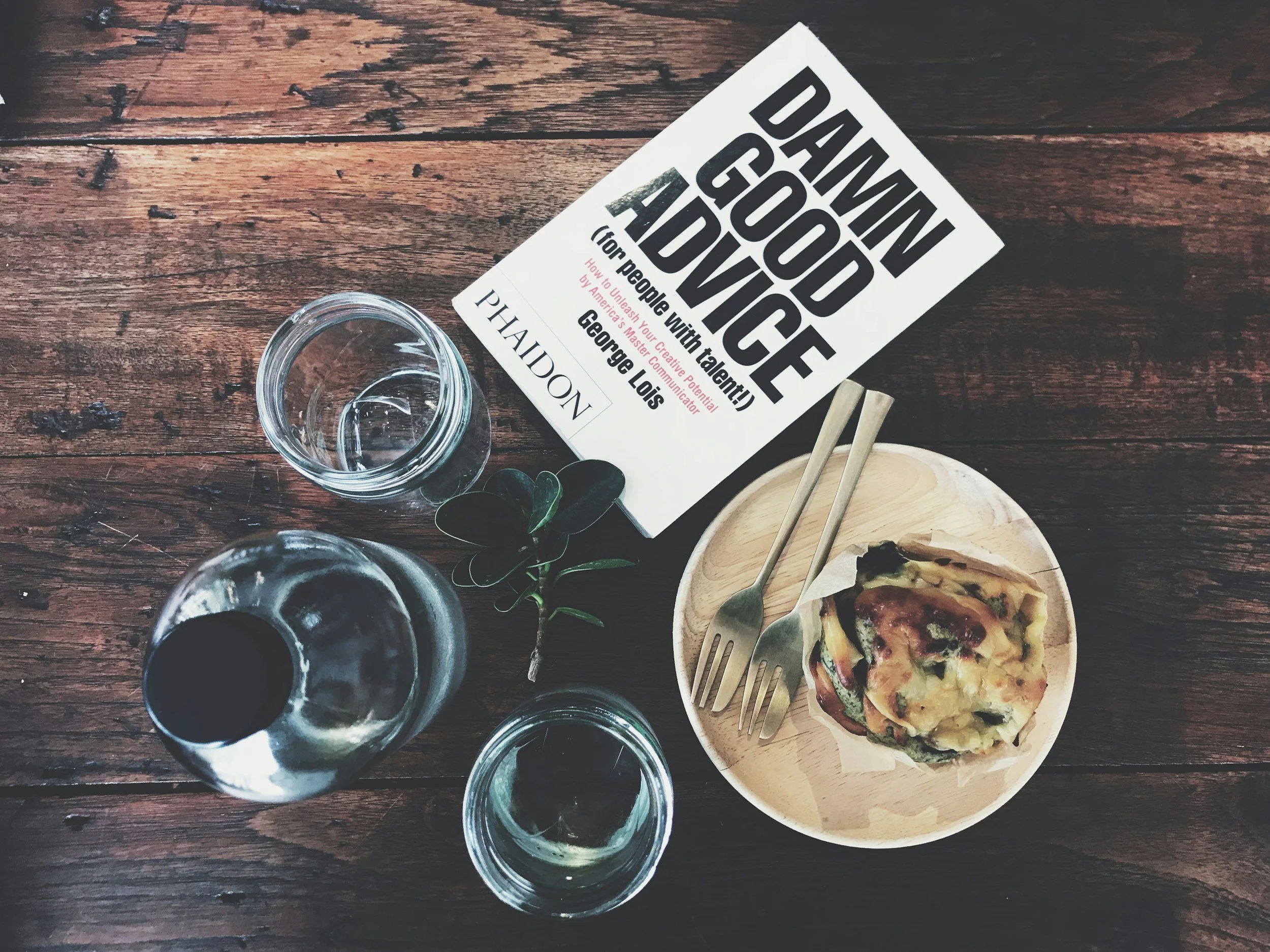
Why Getting Good Advice Matters
Why Getting Good Advice Matters
Successful business owners, CEOs, and senior leaders all share one key insight. Great advice is an investment, not a cost. No matter how talented or experienced you are, the right guidance at the right time accelerates progress, avoids costly mistakes, and opens doors you didn’t even know were there.
Bottom line: when you surround yourself with the right expertise, your business becomes stronger, smarter, and more capable of long-term success.

Buying an Existing Business – 10 Reasons to Do So
Buying an existing business can be one of the smartest moves a future owner, CEO, or senior leader can make.
Instead of starting from zero, you step into something already operating, already earning, and already proven. And with the right vision, you can take a good business and turn it into a great one.
Here are 10 compelling reasons to consider buying an existing business.

When to Reward and When To Remove Employees
When to Reward and When To Remove Employees
Leading a business isn’t just about strategy or systems. It’s about people. And one of the toughest calls Owners, CEOs and Senior Managers face is knowing when to reward great employees and when to remove those who consistently underperform.
Get this balance right and your organisation gains momentum. Move too slowly, and the cost is real. Financially, culturally, and operationally.

10 Ways to Ensure Business Success
10 Ways to Ensure Business Success
Success in business rarely happens by luck. It comes from clarity, consistency, and the daily habits that smart owners and leaders build into their organisations.
If you want to strengthen performance, reduce risk, and set your business up for long-term success, these 10 focus areas will help you get there.
1. Build a Clear, Actionable Plan
A great plan gives direction, alignment, and confidence. It sets targets, guides decisions, and keeps everyone moving in the same direction. When the plan is clear, the future becomes far easier to navigate.

Navigating Employment Challenges the Right Way
When Good Intentions Go Sideways – Navigating Employment Challenges the Right Way
Even the best employers and managers can get it wrong sometimes. Not because they’re careless or malicious — but because employment issues are emotional, complex, and often handled under pressure.
Over the years, I’ve helped individuals and businesses “on both sides of the fence” navigate difficult workplace situations including restructures, investigations, misunderstandings, and sometimes full-blown personal grievances. One recent case stood out for all the right reasons.

5 Smart Ways to Lead Your Business Through Tough Times
Running a small business isn’t always smooth sailing. Rising costs, slower sales, or an unpredictable economy can make life feel like a rollercoaster. The truth is, challenges are part of the journey—but they also create opportunities to refocus, reset, and strengthen your business.
Here are five proven strategies to help you stay confident, calm, and in control when the market wobbles.

Maximise the Value of Your Business – Whether You Plan to Sell or Not
Maximise the Value of Your Business – Whether You Plan to Sell or Not
Running your business as if it’s always ready for sale is one of the smartest strategies you can adopt.
Why? Because a business that’s “sale-ready” is well-run, profitable, and less dependent on you already..
10 Key Drivers of Business Value
1. Have a Clear Plan
A strategic and business plan keeps everything aligned. It sets direction, defines priorities, and keeps your team focused on the big picture.
2. Build a Standout Brand
Be known for something. A consistent, trusted brand increases recognition, trust, and ultimately, valuation.
3. Focus on Profit and Assets
Review assets regularly. Remove inefficiencies. Use data to drive profitability and cash flow.

Owning Your Mistakes. What Do Leaders Do?
Owning Your Mistakes. What Do Leaders Do?
Mistakes happen, even to the best of us. But the real difference between a good leader and a great one lies in what happens next. Owning your mistakes isn’t a sign of weakness. It’s a mark of strength, humility, and maturity. It’s how leaders build trust, credibility, and long-term respect within their teams.

Does Your Brand Really Matter?
In today’s competitive market, your brand is far more than a logo or a clever tagline. It is the story people tell about you when you are not in the room. Whether you are leading a small business or a large organisation, a strong, consistent brand can create significant long-term value.
A strong brand builds trust, loyalty, and recognition. Three factors that directly influence purchasing decisions. It tells your customers what to expect and gives them a reason to choose you over your competitors.
Your brand represents who you are, what you stand for, and how consistently you deliver on those promises.

Why Business Owners and Managers Don’t — But Should — Ask for Help
Why Business Owners and Managers Don’t — But Should — Ask for Help
Many business owners, CEOs, and general managers hesitate to ask for help, and it’s far more common than most will admit. Whether you’re leading a team or running the whole show, the pressure to appear in control can hold you back from getting the guidance that could transform your business.

Cashflow vs Profit – Which Is More Important?
Every business leader has heard the phrase “cash is king.” Yet even experienced CEOs and directors can focus too heavily on profit, missing the vital distinction between profit and cashflow. Understanding both is essential for survival and long-term success.

Should rewards and accountability go hand in hand?
Business owners often ask, “when should I reward staff?” or “when do I need to take action if performance isn’t there?” The short answer is you should reward when effort and results meet or exceed expectations, and you should “otherwise” (coach, redirect, or exit) when performance consistently falls short.
Striking this balance is one of the most important leadership skills. Rewarding achievement drives motivation, but failing to address underperformance can damage morale and weaken culture.

To Risk or Not to Risk?
To Risk or Not to Risk?
Crossing the street, investing in new tech, or launching a business idea, risk is everywhere. As a business advisor, owner (and ex-banker), I’ve seen one truth play out time and again:
Obsess too much about risk and you freeze. Ignore risk entirely and you crash.
So, where’s the sweet spot? Let’s break it down.

Successful Business Owners – Top 5 Traits
Successful Business Owners – Top 5 Traits
Being a successful business owner takes more than a great idea. It requires developing key traits and living them by them every day. Many entrepreneurs might think they have these qualities but demonstrating them consistently is an entirely different game.
Below, based on my experience, are the top five traits successful business owners share, tempered with a reality check that simply knowing these traits is not enough, you must practice them.

Finding and Keeping Good Staff
Finding and Keeping Good Staff
Finding great employees is a lot like mining for gold. As a long-time business owner and fan of TV's Gold Rush, I have learned that good staff are like gold nuggets. They are rare and hard to find, but worth every ounce of effort.
And the truth is you must move a lot of dirt to find good gold and so it is with your people. You will have to sift through piles of resumes to find those nuggets that can help you transform your business.

Values and Strategy – Why They Must Go Together
Values and Strategy – Why They Must Go Together
In today’s times it is easy to chase business success while losing sight of what truly matters. But achieving profits and growth means little if your work leaves you empty and unfulfilled.
History is full of entrepreneurs who built thriving companies only to find they no longer loved what they did – success came at too high a personal price. It sounds like common sense, yet aligning personal values with business strategy is a principle often overlooked in the rush for success.
To build a successful business and a happy life, you must start with your values and let them guide your strategy.

Owning or Leasing - the Pros and Cons
Owning or Leasing - the Pros and Cons
Many small-to-medium New Zealand businesses face a decision when acquiring equipment or vehicles, whether to buy to own the asset or lease it. This choice affects capital, cash flow, and tax outcomes. Understanding the high-level pros and cons of each option helps owners and managers choose the best approach for their business.

AI – Will You or Won’t You Embrace it?
AI – Will You or Won’t You Embrace it?
AI tools offer new possibilities for all businesses. For example, chatbots can answer routine customer questions, while analytics can help target marketing and even forecast demand. AI might automate scheduling or email sorting, freeing owners for strategic work. Likewise, personalised advertising enabled by AI can significantly boost conversion rates.
Sound exciting? Well, it absolutely is but there are “always two sides to every coin”.

7 Key Factors in Making Your Business Saleable
7 Key Factors in Making Your Business Saleable
With the average New Zealand business owner now over 50, and about 40% of businesses likely to hit the market in the next decade, it is crucial to make your company stand out as valuable and saleable. Focusing on the following seven key factors will help attract buyers and maximize your reward when you sell.

Why do so many business partnerships fail?
Why do so many business partnerships fail?
Running a business is always challenging. Add a business partner into the mix, and things can get even more complex. It is little wonder that so many business partnerships struggle to survive. Some statistics show up to 70% of partnerships fail, however, this does not mean a joint venture is doomed. Understanding common pitfalls is the first step to beating the odds.